How to Fix Squeaky Hardwood Floors (and When You Can't DIY)
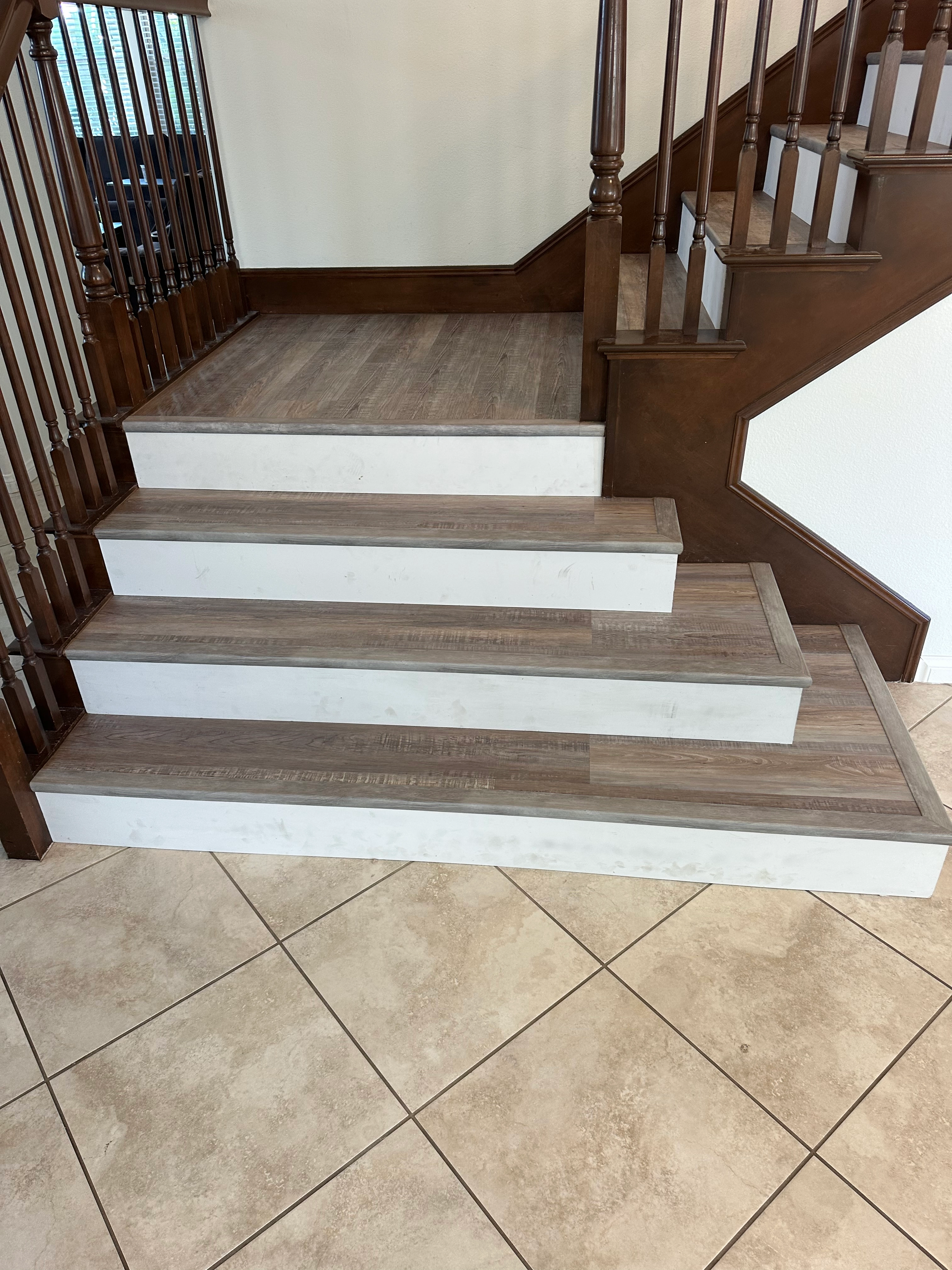
A squeaky hardwood floor isn't the floor failing - it's two surfaces rubbing where they shouldn't. Almost always it's a board moving against a fastener that's lost its grip, a board moving against the subfloor, or the subfloor moving against a joist. The good news: most squeaks are fixable, and most can be silenced from the finished side without tearing anything up. Here's the full picture - what causes squeaks, how to fix them from above and below, the specific products that work, and the point where a squeak stops being a nuisance and starts being a structural warning.
Why hardwood floors squeak
A squeak is friction plus movement. Something flexes under your weight, two surfaces slide against each other, and you hear it. The four common sources:
- Subfloor gaps. When the subfloor sheathing isn't tight against the joist - because a nail backed out, the wood shrank, or the original install left a gap - the panel drops a hair under foot pressure and pops back up. That up-and-down motion against the fastener is the classic squeak.
- Humidity and seasonal movement. Wood expands in humid months and shrinks in dry ones. In the Inland Empire, indoor humidity can swing from the low 20s in summer to 50%+ during winter rains. As boards shrink, micro-gaps open between them and between board and subfloor; those gaps compress and rub under traffic. This is why a floor that's silent in January starts talking in August.
- Joist movement. On raised foundations, joists can settle, rotate, or deflect over decades. A joist that has pulled slightly away from the subfloor above it leaves the sheathing unsupported, and the whole bay flexes when you walk it.
- Loose nails and fasteners. Hardwood is blind-nailed through the tongue into the subfloor. As the wood dries and contracts over years, those cleats and staples loosen their bite. The board lifts a fraction and rubs the shank of the fastener every time you step on it - the single most common squeak in older homes.
Pinpointing which one you have matters, because the fix is different for each. Walk the floor slowly and mark every squeak with painter's tape. Note whether the squeak is a single sharp pop (usually a fastener) or a longer creak across an area (usually subfloor or joist movement).
DIY fixes from above
If you can't get under the floor - slab homes, finished basements, or second stories - everything happens from the finished side. From easiest to most involved:
- Lubricant powders. Powdered graphite, talcum powder, or a dedicated product like a floor-squeak powder worked into the seams reduces wood-on-wood friction. Sweep it into the gaps, work it in with a stiff brush, wipe the excess. It's a genuine fix for board-on-board squeaks but temporary - expect to redo it every several months. Cheapest thing to try first.
- Shims from the seam. For a localized squeak where a board edge is lifting, a thin bead of construction adhesive or wood glue worked into the gap and weighted overnight can lock it down. Limited, but effective on a single chatty board.
- Breakaway screws (Squeeeek-No-More). This is the workhorse from-above fix and the basis of most hardware-store squeak kits. The kit includes a depth-control fixture and scored screws. You set the fixture on the floor, drive the screw through the hardwood into the joist below, then rock the screw sideways - it snaps off at a scored point just below the wood surface. The threads stay buried, pulling the board tight to the joist, and the head is gone, leaving a hole the size of a finish nail. On carpet there's a version that goes straight through; on bare hardwood you fill the tiny hole with matching wood filler. You must hit a joist for this to work - use a stud finder and confirm with a trial screw.
- Face-screwing and plugging. When you need maximum hold and don't mind a more involved repair, drill a counterbored pilot through the hardwood into the joist, drive a trim-head or standard screw to pull the board down hard, then glue a matching wood plug (or fill and finish) over the recess. This is the most secure above-floor fix and what we reach for when a breakaway screw isn't enough.
A note on finding the joist: squeaks are easiest to kill when the screw lands in solid framing. If you drive into the subfloor only, you'll snug the board to the subfloor but won't address a subfloor-to-joist gap. A stud finder run perpendicular to the boards locates joists; they're typically 16 inches on center.
Fixes from below
If your floor sits over an accessible crawl space or unfinished basement, working from below is more permanent and leaves the finished floor untouched. Have a helper walk the floor and stomp on the squeak while you watch and listen from underneath - you'll see exactly which bay is moving.
- Shims plus adhesive. Where the subfloor has pulled away from a joist, tap a thin wood shim coated in construction adhesive into the gap between joist and subfloor. Don't force it - over-driving the shim lifts the floor and creates a hump. The shim just fills the void so the subfloor can't drop.
- Blocking between joists. For a floor that flexes across a span, install solid wood blocking (short 2x lengths) snug between the joists, tight to the underside of the subfloor. This stiffens the bay and supports the sheathing edges. Screw a long screw up through the subfloor into the blocking where you can.
- Joist hangers and steel bridging. If a joist has dropped at its end or a span feels bouncy, reinforcing the connection with a metal joist hanger, or adding cross-bridging/steel bridging between joists, takes flex out of the framing. This crosses from squeak repair into framing work - if the joist itself is the problem, it's worth a pro's eyes.
From-below screws are also an option: drive a screw up through the subfloor into the bottom of the squeaking hardwood board - but stop short of the hardwood's surface. Measure the combined subfloor-plus-hardwood thickness and use a screw at least 1/4 inch shorter so you never pop a screw tip through your finished floor.
When a squeak signals a structural problem
Most squeaks are cosmetic. A few are the floor telling you something is wrong underneath. Stop the DIY and get a professional assessment if you see:
- Squeaks across multiple rooms or whole floors at once. Widespread movement points to joist deflection or framing settlement, not loose fasteners. Treating the symptom won't hold.
- A squeak paired with a soft, spongy, or bouncy spot. That's subfloor delamination (the plywood plies separating) or a failing joist. Screwing the surface down over a rotten substrate does nothing.
- Squeaks with cupping, gapping, or staining. That's a moisture story - a slow leak, a slab wicking moisture, or a crawl-space humidity problem rotting the subfloor. Find and fix the water before touching the squeak, or it comes right back.
- Foundation or joist movement. Sloping floors, doors that won't latch, and cracks tracking with the squeak suggest the structure is shifting. That's a foundation conversation, not a floor one.
- Engineered or floating floors. A glue-down engineered floor that squeaks usually has an adhesive failure; a click-lock floating floor squeaks from joint separation or an uneven subfloor under it. Screws won't fix either - these need a specialist.
What professional squeak repair costs
For a handful of squeaks, a pro repair is one of the cheapest floor services there is. Typical Inland Empire ranges:
- Per-squeak from above: roughly $50 - $150 per squeak as a small job, often bundled.
- A service-call visit for several squeaks in a room or two: about $200 - $500 all-in, including locating, fastening, and filling.
- From-below work in a crawl space (shims, blocking): $300 - $800 depending on access and how many bays need attention.
- Structural repair (joist reinforcement, subfloor replacement): $1,000 and up, because at that point you're into framing and the floor is a symptom, not the job.
Most of our squeak calls are a 1 - 2 hour visit, and the floor goes quiet for years.
When the squeak is just the season
Some squeak is normal in any wood floor. If yours pops lightly in the dry summer months and settles down once winter humidity comes up, that's ordinary humidity cycling, not a defect. Holding indoor humidity in a steady 35 - 50% band year-round - ideally with a whole-house humidifier on your HVAC - keeps boards dimensionally stable and quiets most seasonal squeaks on its own.
FAQ
Why do hardwood floors squeak? Squeaks come from movement and friction: a board rubbing a fastener that has lost its grip, a board rubbing the subfloor, or the subfloor rubbing a joist. Loose nails from years of seasonal wood shrinkage are the most common cause, followed by subfloor gaps, humidity-driven movement, and joist settlement.
Can I fix squeaky floors without removing the floor? Yes - the majority of squeaks are fixed from above without lifting a single board. Lubricant powders quiet wood-on-wood squeaks, and breakaway screw kits (like Squeeeek-No-More) draw the board tight to the joist and snap off below the surface, leaving only a filler-sized hole. If you can reach the underside through a crawl space, shims and blocking from below are even more permanent.
Do squeaks mean my subfloor is failing? Usually no. A typical squeak is just a loose fastener or a minor subfloor gap. But a squeak paired with a soft, bouncy, or spongy spot - or with cupping, gapping, or a musty smell - can mean subfloor delamination, water damage, or a failing joist. Those warrant a professional inspection before any cosmetic fix.
How much does it cost to fix a squeaky hardwood floor? A few squeaks fixed from above typically run $50 - $150 each as a small job, and a service visit for a room or two is usually $200 - $500. From-below crawl-space work runs $300 - $800, and structural repairs that involve joists or subfloor replacement start around $1,000 because that is framing work, not a simple fastening.
Will fixing humidity stop my floors from squeaking? Often, partly. Wide humidity swings cause the seasonal expansion and contraction behind many squeaks. Holding indoor humidity in a steady 35 - 50% band - a whole-house humidifier on the HVAC is the best tool - reduces seasonal squeaks noticeably. It won't cure a loose fastener or a subfloor gap, which still need a mechanical fix.
Are squeaks worse in engineered or floating floors? They show up differently. Glue-down engineered floors squeak from adhesive failure; click-lock floating floors squeak from joint separation or an uneven subfloor underneath. Neither is fixed by the screw methods used on nailed solid hardwood - both need a specialist who can address the install method directly.
If you have persistent squeaks you can't fix yourself, reach out - most of our squeak-fix calls are a quick visit, and the floor goes silent for years.
Frequently asked questions
- Why do hardwood floors squeak?
- Squeaks come from movement and friction: a board rubbing a fastener that has lost its grip, a board rubbing the subfloor, or the subfloor rubbing a joist. Loose nails from years of seasonal wood shrinkage are the most common cause, followed by subfloor gaps, humidity-driven movement, and joist settlement.
- Can I fix squeaky floors without removing the floor?
- Yes - the majority of squeaks are fixed from above without lifting a single board. Lubricant powders quiet wood-on-wood squeaks, and breakaway screw kits (like Squeeeek-No-More) draw the board tight to the joist and snap off below the surface, leaving only a filler-sized hole. If you can reach the underside through a crawl space, shims and blocking from below are even more permanent.
- Do squeaks mean my subfloor is failing?
- Usually no. A typical squeak is just a loose fastener or a minor subfloor gap. But a squeak paired with a soft, bouncy, or spongy spot - or with cupping, gapping, or a musty smell - can mean subfloor delamination, water damage, or a failing joist. Those warrant a professional inspection before any cosmetic fix.
- How much does it cost to fix a squeaky hardwood floor?
- A few squeaks fixed from above typically run $50 - $150 each as a small job, and a service visit for a room or two is usually $200 - $500. From-below crawl-space work runs $300 - $800, and structural repairs that involve joists or subfloor replacement start around $1,000 because that is framing work, not a simple fastening.
- Will fixing humidity stop my floors from squeaking?
- Often, partly. Wide humidity swings cause the seasonal expansion and contraction behind many squeaks. Holding indoor humidity in a steady 35 - 50% band - a whole-house humidifier on the HVAC is the best tool - reduces seasonal squeaks noticeably. It will not cure a loose fastener or a subfloor gap, which still need a mechanical fix.
- Are squeaks worse in engineered or floating floors?
- They show up differently. Glue-down engineered floors squeak from adhesive failure; click-lock floating floors squeak from joint separation or an uneven subfloor underneath. Neither is fixed by the screw methods used on nailed solid hardwood - both need a specialist who can address the install method directly.