Replacing Tile With Hardwood or LVP: What Tile Removal Really Involves
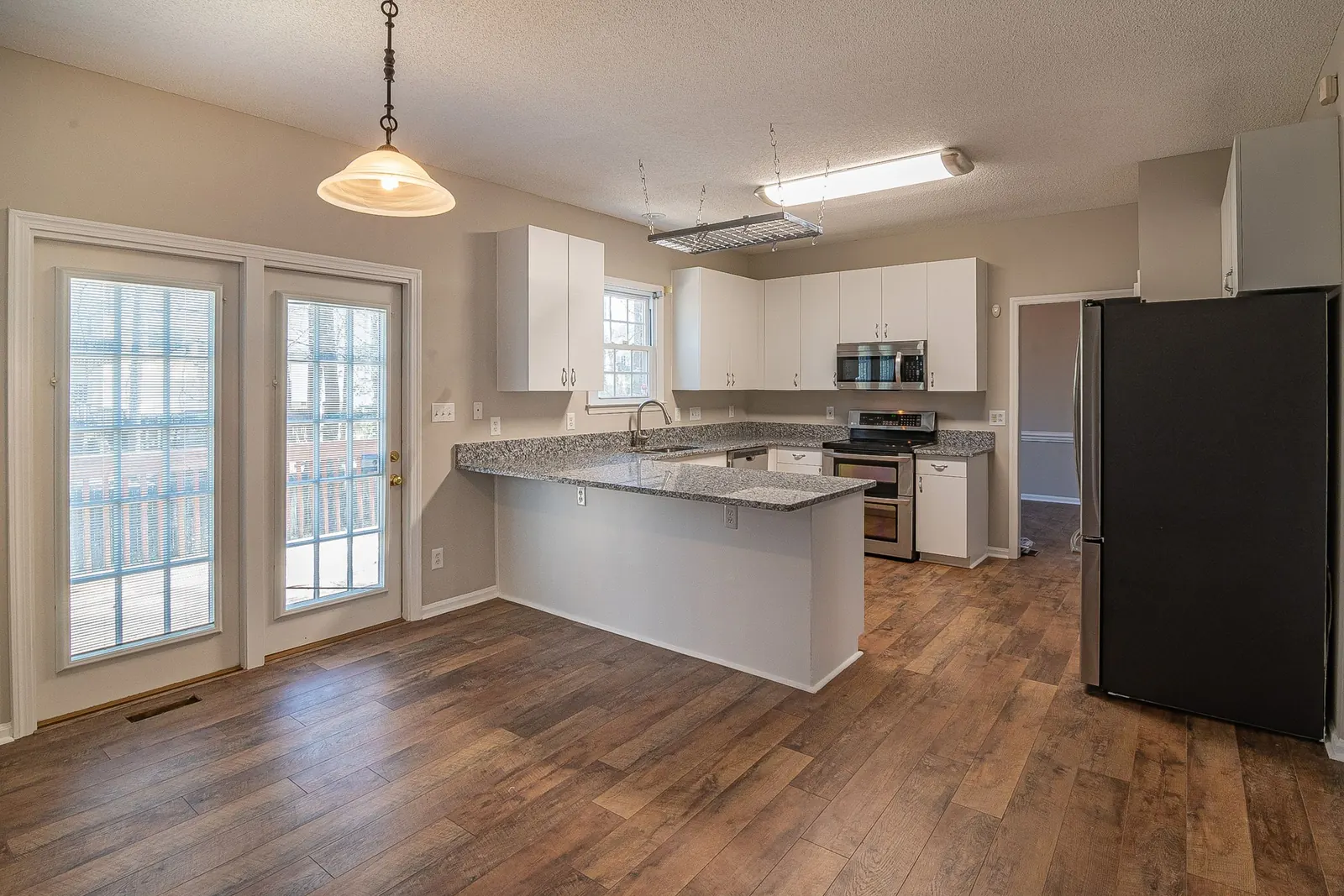
A huge number of Inland Empire homes built from the 1980s through the 2000s have ceramic or porcelain tile through the entry, kitchen and family room. It is durable, but it is cold and hard underfoot, and the grout never looks clean again. When those homeowners want wood or a warmer-looking floor, the first question is always the same: what does it take to get the tile out?
More than taking out carpet, and more than most quotes make obvious. Here is what happens.
Why tile is the hardest floor to remove
Carpet rolls up. Floating floors unclick. Tile is bonded to the slab with thinset mortar, a cement-based adhesive, and every tile has to be broken free.
The work is done with electric demolition hammers and chisels, row by row. It is loud, it is slow, and the debris is heavy: a kitchen and family room produce a surprising amount of broken tile and mortar to haul away. That is why tile demo is quoted on its own line, and why it is the most labor-intensive demolition we do.
The part that matters most: the slab underneath
Pulling the tile is only half the job. What is left behind is a slab covered in ridges of old thinset, and every new floor has a flatness requirement.
Most floating LVP, laminate and engineered hardwood products call for the subfloor to be flat to within about 3/16 of an inch over ten feet. Ridges of mortar and the low spots where tiles popped up clean do not meet that. So after demolition the slab is ground down to remove the remaining thinset, and low areas are filled with patching or leveling compound.
Skip this and the new floor tells you within months. Floating floors flex over the high spots and the click joints separate or break. Glue-down floors telegraph every ridge through the surface. Our post on hardwood on a concrete slab covers the rest of slab prep, including the moisture testing that should happen before any wood goes down.
Dust: what to expect and what to ask
Breaking tile and grinding thinset makes fine concrete dust. A careful crew controls it with plastic sheeting over doorways and openings, HVAC returns sealed off, and grinders connected to HEPA vacuums. Even so, plan for a dusty few days and keep people and pets away from the work area.
Ask any contractor exactly how they contain dust during tile removal. If the answer is "we sweep up at the end," expect to be cleaning your whole house afterward.
Older homes: test before anyone breaks anything
Ceramic and porcelain tile is rarely the concern. The concern in older homes is 9-by-9-inch vinyl floor tile and black adhesive (cutback mastic), which were commonly made with asbestos before the 1980s. These materials sometimes hide under later tile or carpet in older Redlands, Riverside and San Bernardino homes.
If your house was built before about 1980 and there is any chance of old vinyl tile or black mastic in the floor build-up, have a sample tested before demolition starts. If it comes back positive, removal is a job for a licensed abatement contractor, and the flooring work starts after that.
Can you install over tile instead?
Sometimes, and it can save real time and money.
Floating LVP or laminate over tile works if the tile is solidly bonded (no hollow-sounding or cracked tiles), the grout lines are filled or skim-coated so they do not show through, and the surface is flat. Many manufacturers allow it.
But check the height. The new floor adds its thickness on top of the tile. That can mean:
- Doors that no longer clear and need trimming.
- Transitions that become a noticeable step up from the next room.
- A dishwasher that gets trapped under the countertop once the floor around it rises. This one catches a lot of people.
- Toe kicks and baseboards that look short against the raised floor.
Hardwood over tile is generally not the right call. Solid hardwood is nailed and needs a wood subfloor. Glue-down engineered hardwood needs a clean, flat, properly prepared substrate. In almost every case we recommend removing tile before hardwood.
Hardwood or LVP once the tile is gone?
It depends on the room. Kitchens, laundry rooms and baths usually do best with waterproof LVP, because the realistic risk is a slow appliance or plumbing leak. Living rooms, dining rooms and entries are where engineered hardwood earns its cost on a slab. Our kitchen flooring options post and the hardwood vs LVP comparison cover the trade-offs.
One more thing to plan for: tile often runs under the kitchen cabinets or stops neatly at them. Removal can chip toe kicks, and it usually means the baseboards come off and go back on, or get replaced. Ask that these be in the quote.
What a good quote includes
Look for each of these as a separate line: tile and thinset removal, disposal, slab grinding and leveling, moisture testing, baseboard removal and reinstallation, transitions, and appliance moving. A low tile-to-floor quote usually leaves one of them out.
Book a free estimate and we will check how your tile is bonded, measure the height at the doors and appliances, and tell you whether removal or an over-tile install makes more sense for your house.
Frequently asked questions
- Can you put LVP over ceramic tile?
- Often, yes. Floating LVP can go over tile that is solidly bonded and flat, with grout lines filled so they do not show through. Check the added height first: doors may need trimming, transitions can become a step, and a dishwasher can end up trapped under the countertop.
- Can hardwood be installed over tile?
- Generally not. Solid hardwood needs a wood subfloor to nail into, and glue-down engineered hardwood needs a clean, flat, properly prepared slab. In almost every case the tile should be removed and the slab ground flat before hardwood goes down.
- Why does tile removal cost more than carpet removal?
- Tile is bonded to the slab with cement-based thinset, so every tile has to be broken free with a demolition hammer, the debris is heavy to haul, and the leftover thinset has to be ground off so the slab is flat enough for the new floor.
- Does old floor tile contain asbestos?
- Ceramic and porcelain tile rarely does. The concern is 9-by-9-inch vinyl floor tile and black cutback adhesive installed before about 1980, which often contained asbestos. In an older home, have suspect material tested before demolition; if it is positive, a licensed abatement contractor removes it.