Santa Ana Winds and Hardwood Floors: What Fall Does to Your Floors
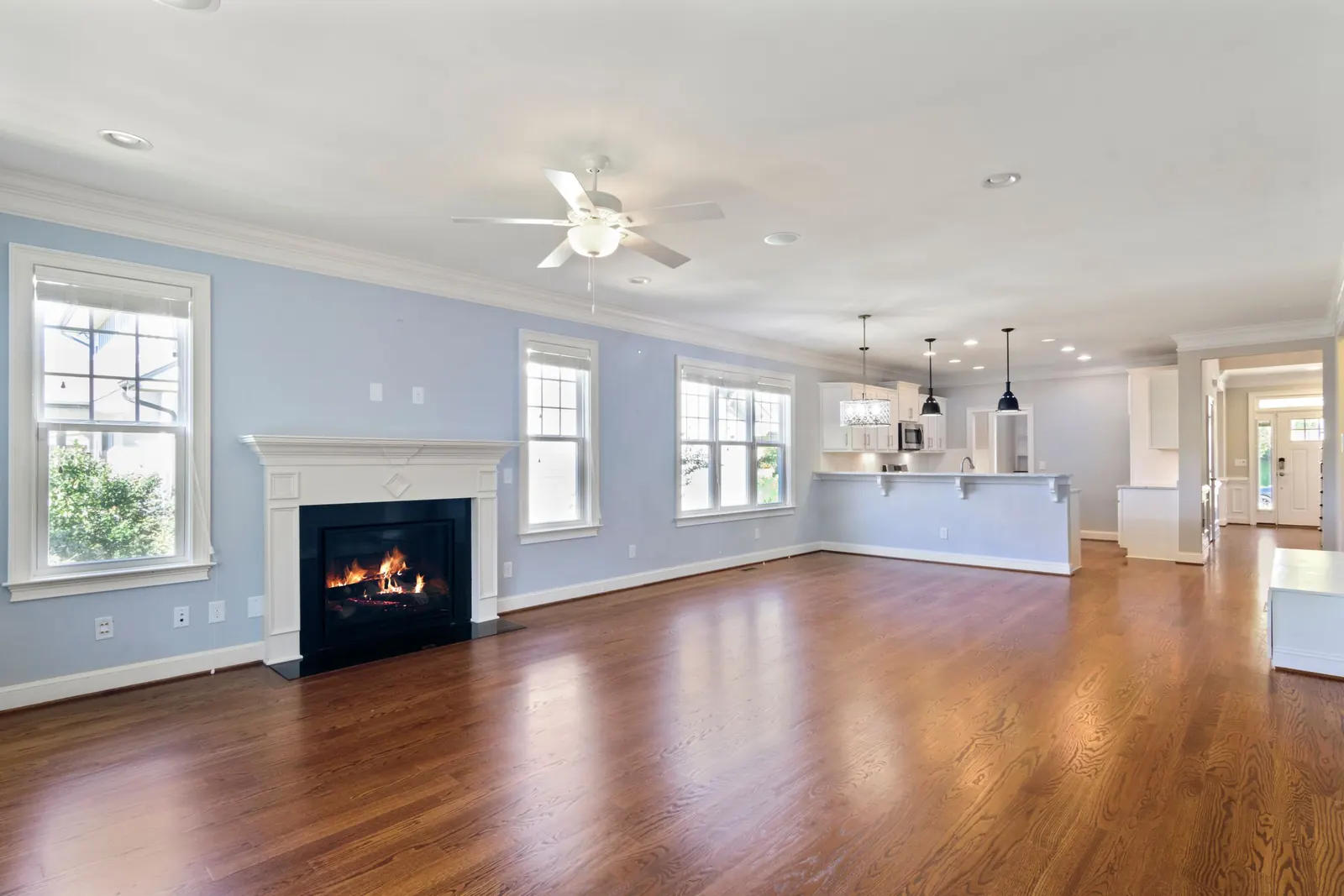
Every fall we get the same calls in the same week. The first strong Santa Ana wind blows through the Cajon Pass, and homeowners in Fontana, Rialto and San Bernardino wake up to thin dark lines between their floorboards that were not there on Friday.
Most of the time the floor is fine. But wind season is the hardest stretch of the year on a wood floor here, so it is worth knowing what is happening and what to do.
What the wind actually does
Santa Ana winds are warm, fast and extremely dry. Outdoor relative humidity can fall into the single digits for days at a time, and that dry air finds its way inside through every door opening, window gap and duct.
Wood is hygroscopic. It holds moisture and trades it with the air around it. When the air in the house goes from a comfortable 40 percent to 15 or 20 percent, the boards give up moisture and shrink across their width. Each board loses only a sliver, but across a room those slivers add up to visible gaps.
The effect is strongest in the communities that sit right in the wind path, below the Cajon Pass and along the foothills, but every city in the region feels it.
What is normal
Small, even gaps that appear in fall and close in spring. This is seasonal movement, and it is how solid hardwood behaves everywhere. The gaps are usually the width of a business card or less and spread fairly evenly across the floor. Our post on gaps in hardwood floors explains how to tell seasonal gaps from permanent ones.
A few new creaks and ticks. Shrinking boards move against each other and against their fasteners. Some squeaks show up in the dry months and fade when humidity returns. Our squeaky floor guide covers the ones that do not go away.
More noticeable movement on wide planks. A seven-inch solid plank moves more than a two-and-a-quarter-inch strip because there is more wood in each board. It is one reason we often steer people toward engineered for wide plank here, as our wide plank post explains.
What is not normal
- Gaps that stay the same width all year. If the gap in May matches the gap in December, the boards have shrunk for good, usually because they were installed before they were acclimated.
- A few very wide gaps instead of many small ones. Sometimes a group of boards moves together and opens one big gap. This is often a fastening or adhesive issue rather than humidity alone.
- Cracks along the length of a board or splits at the ends. Severe drying can check the surface of some boards, especially wide solid planks.
- Finish cracking along the seams. When a floor finish bridges the joints between boards, shrinkage can split it in a line. It looks alarming, but it is usually a cosmetic finish problem.
If you see any of these, our floor repair team can take a look before you decide anything.
Habits that protect the floor
Keep indoor humidity in a steady band. Thirty-five to fifty percent is the target for most wood floors. An inexpensive digital hygrometer tells you where you are. A portable humidifier helps in one room; a whole-house humidifier on the HVAC system is the real fix for a house with a lot of wood.
Close up the house during a wind event. Windows and sliders stay shut while the wind is blowing. That keeps the driest air out, and the dust with it.
Do not fill seasonal gaps. Wood filler or caulk pushed into a fall gap gets crushed or squeezed out when the boards swell again in spring. Seasonal gaps should be left alone.
Sweep and dry mop more often. Santa Ana winds carry fine grit and, in fire season, ash. Grit under shoes acts like sandpaper on the finish. Mats at every exterior door and a daily dry mop during windy weeks do more for the finish than any product. Dry mop or vacuum ash before any damp cleaning, so it is not smeared into the grain. Our desert care guide covers the full routine.
Watch fireplaces and space heaters. Running a fireplace or space heater during a dry spell pulls humidity down further and dries the boards closest to it. Those rooms are where a humidifier earns its keep.
Thinking about new floors this fall?
Wind season does not stop installations, but it changes how they should be done. Wood should acclimate in the house until its moisture content matches the home, and the installer should be checking the wood and the subfloor with a moisture meter, not guessing. Installing boards that arrived from a humid warehouse during a dry wind week, without acclimation, is how gaps get built into a new floor.
If you are planning a project, ask any contractor how they handle acclimation during Santa Ana season. It is a good test of whether they have worked in this climate. Our hardwood installation page describes how we handle it.
Seeing gaps, cracks or cupping you are not sure about? Book a free estimate and we will tell you whether it is the season or something that needs fixing.
Frequently asked questions
- Why do my hardwood floors have gaps after Santa Ana winds?
- Santa Ana winds drop humidity sharply, sometimes into the single digits outdoors. Wood gives up moisture to dry air and shrinks across its width, so small gaps open between boards. Even, narrow gaps that appear in fall and close in spring are normal seasonal movement.
- Should I fill the gaps in my hardwood floor in winter?
- Not if they are seasonal. Filler pushed into a fall gap gets crushed or squeezed out when the boards swell again in spring. Only gaps that stay the same width all year are candidates for repair.
- What humidity should I keep my house at for hardwood floors?
- Thirty-five to fifty percent relative humidity suits most hardwood floors. A digital hygrometer shows where you are, a portable humidifier helps in a single room, and a whole-house humidifier on the HVAC is the best fix during dry Santa Ana weeks.
- Can hardwood floors be installed during Santa Ana season?
- Yes, as long as the wood is acclimated in the home until its moisture content matches the house and the installer checks the wood and subfloor with a moisture meter. Skipping acclimation during a dry spell is how permanent gaps get built into a new floor.